
When it comes to interior design, lighting is often treated as an afterthought—but it shouldn't be. Professional designers know that lighting is the secret ingredient that transforms a house into a home. The technique that separates amateur spaces from professionally designed interiors? Layered lighting.
Understanding the Three Layers of Light
Think of lighting like music: a single instrument can create sound, but a full orchestra creates an experience. Similarly, effective lighting design combines three distinct layers that work in harmony:
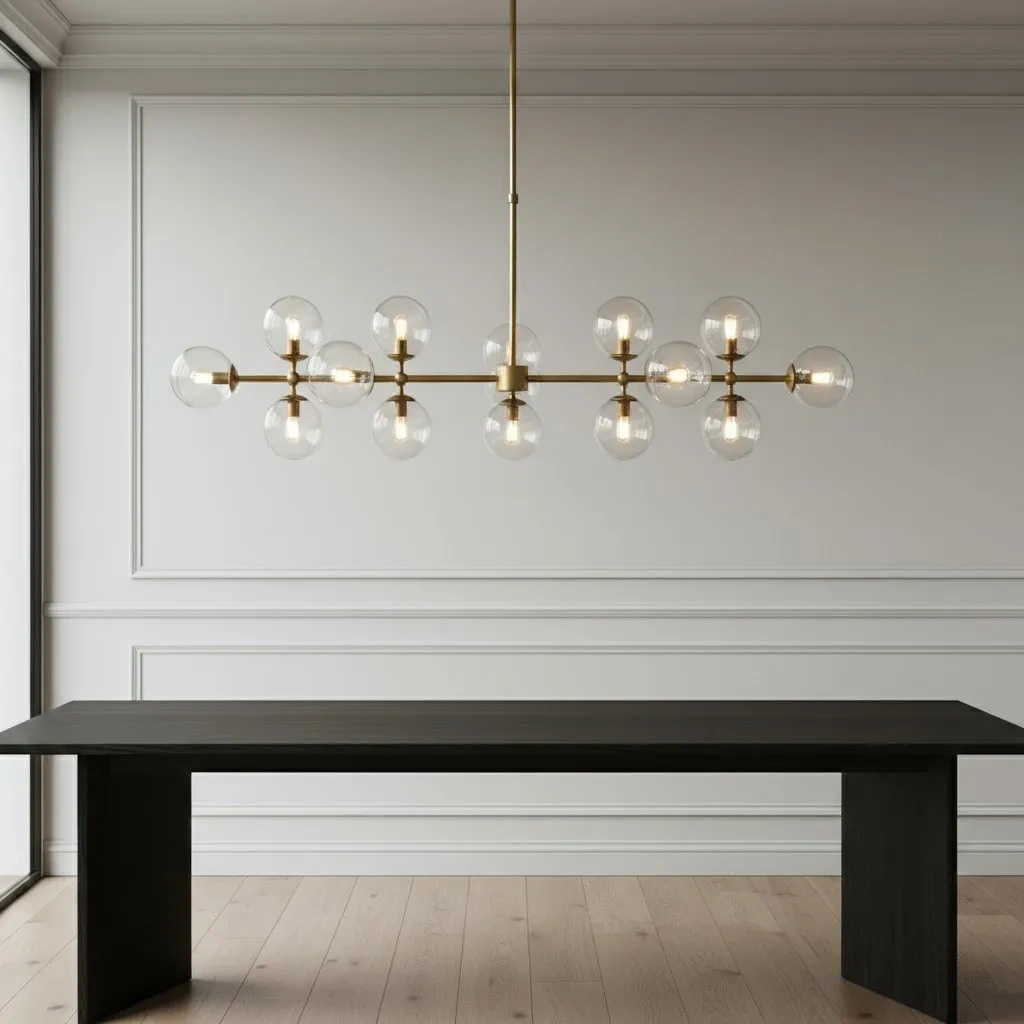
Ambient Lighting serves as your foundation, the general illumination that allows you to navigate a room safely. This is typically provided by overhead fixtures like chandeliers, flush mounts, or recessed lighting. In a living room, a statement chandelier or modern pendant can anchor the space while providing essential overhead light.
Task Lighting focuses on specific activities. Reading lamps beside your favorite chair, pendant lights above kitchen islands, or vanity lighting in bathrooms all fall into this category. These fixtures should be bright enough for their purpose without overwhelming the space. Our collection of table lamps and adjustable floor lamps are perfect for creating dedicated task lighting zones.
Accent Lighting adds the finishing touch—the jewelry of your lighting scheme. Wall sconces highlighting artwork, LED strips under cabinets, or uplighting for architectural features create visual interest and depth. This layer is where you can be most creative, using light to draw attention to your home's best features.
Putting Theory into Practice
Let's walk through a living room transformation. Start with a central fixture—perhaps one of our mid-century modern chandeliers or a sculptural pendant. This provides your ambient layer. Next, add floor lamps flanking your sofa or reading chairs for task lighting. Finally, install wall sconces or picture lights to accent artwork or architectural details.
The magic happens when you can control these layers independently. Install dimmer switches wherever possible. This allows you to adjust the mood: bright and energetic for entertaining, or soft and intimate for movie night. Different occasions demand different lighting scenes, and layered lighting gives you that flexibility.
Choosing Cohesive Fixtures
While your lighting should be layered, it shouldn't look scattered. Choose fixtures that share a common thread—whether that's material, finish, or design era. For example, mixing matte black pendants with black-accented table lamps and wall sconces creates unity. Alternatively, vary the fixture types but maintain consistency in finish, like aged brass throughout.
Remember that proportion matters. A grand chandelier demands substantial table lamps to balance it, while delicate pendants pair beautifully with sleeker floor lamps. The key is creating a conversation between pieces rather than a shouting match.
Mastering layered lighting takes your interior design from functional to phenomenal. Start with one room, experiment with different combinations, and observe how the space transforms throughout the day. You'll soon discover that exceptional lighting design isn't about having the most fixtures—it's about having the right ones in the right places.